Plant closure liquidation involves selling manufacturing equipment, production lines, inventory, facilities, and other business assets when an industrial operation shuts down. For business owners, the process requires careful planning to recover asset value, meet financial obligations, and complete the closure within an established timeline.
Whether you are closing one factory or selling an entire manufacturing operation, understanding your options can help prevent costly mistakes.
At Investment Recovery Services, we help industrial business owners evaluate liquidation strategies, market assets, and coordinate sales based on their equipment, property, and business objectives.
What Is Included in Industrial Plant Liquidation?
Industrial plant liquidation may involve selling individual assets, an entire manufacturing operation, or a combination of equipment and real estate.
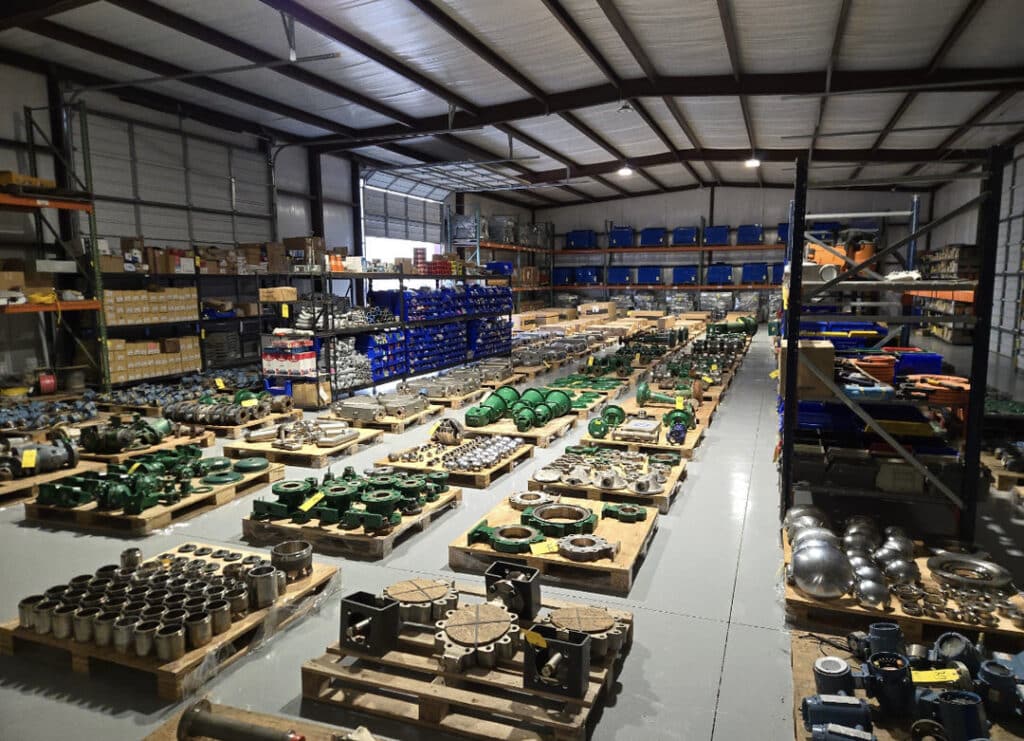
Common assets include manufacturing machinery, production lines, industrial vehicles, tooling, inventory, warehouse equipment, buildings, and land.
Owners should first determine which assets are available for sale and whether certain equipment remains necessary for ongoing operations.
Some buyers may prefer a complete operational facility, while others are interested in specific machinery. Understanding these differences helps determine an appropriate sales strategy.
Our full industrial business liquidation services help owners evaluate these options while considering market demand, confidentiality, and closure deadlines.
Should You Sell the Entire Manufacturing Operation or Individual Assets?
Choosing between selling an entire operation and liquidating equipment separately depends on the facility’s condition, asset values, available buyers, and closure timeline.
Selling a complete manufacturing operation may appeal to buyers seeking an established facility with usable equipment and infrastructure. This approach can also reduce the complexity of coordinating multiple transactions.
However, separate equipment sales may attract more potential buyers, particularly when individual machines have strong resale demand.
Owners may also consider selling the building and machinery together or marketing the real estate separately.
Investment Recovery Services helps owners sell industrial facilities, equipment, and real estate through strategies suited to their assets and objectives.
How Are Industrial Equipment and Plant Assets Valued?
Accurate manufacturing asset valuation helps owners establish realistic expectations before accepting offers or selecting a liquidation method.
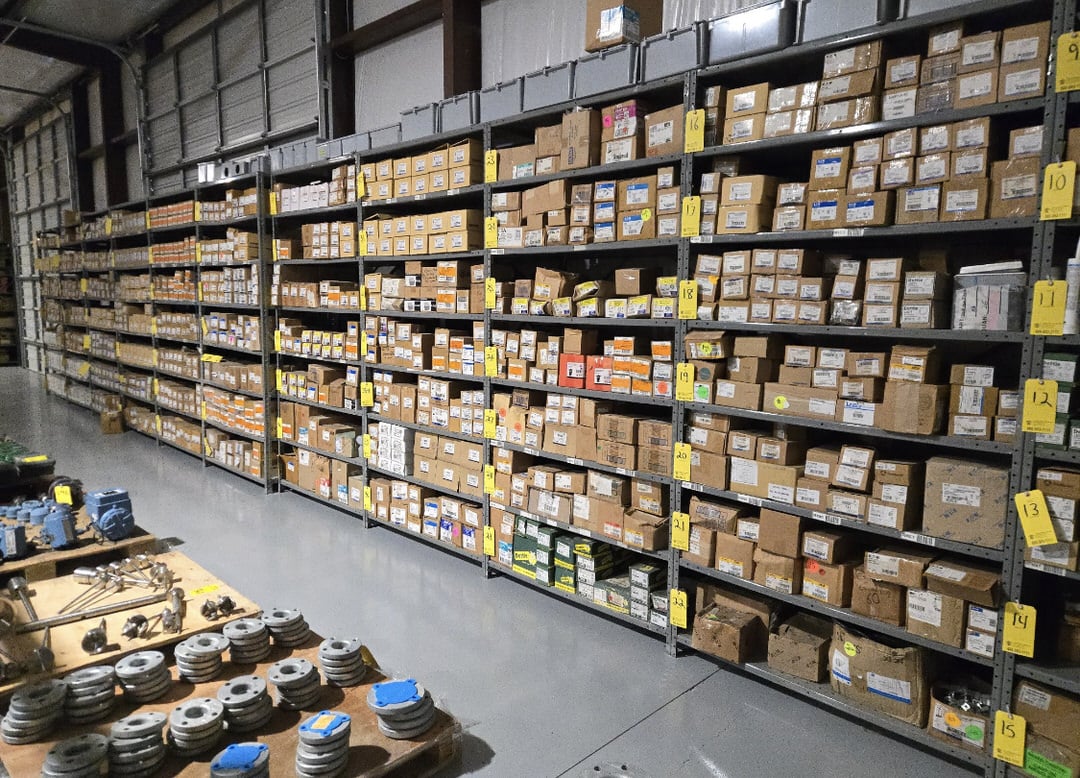
Important valuation factors include equipment age, operating condition, maintenance history, market demand, and removal costs.
An effective asset inventory should document:
- Equipment manufacturer, model, serial number, and operating condition
- Maintenance records, manuals, and available production information
- Ownership details, financing arrangements, and existing liens
- Machinery connections, utility requirements, and removal considerations
Original purchase prices and accounting values do not necessarily reflect current resale values.
Our industrial equipment appraisal services help owners understand asset values and make informed liquidation decisions before marketing begins.
Choosing the Right Plant Closure Liquidation Strategy
Different liquidation methods provide different advantages depending on the assets being sold and the owner’s financial priorities.
Commission auctions allow multiple buyers to compete for available equipment. They establish a defined sale schedule, although final proceeds depend on bidder participation.
Auction guarantees may provide greater certainty about the minimum financial return, depending on the agreement’s terms.
Outright cash purchases can offer a more direct transaction when owners prioritize speed and certainty.
Private negotiated sales may suit specialized machinery, complete operations, or transactions requiring additional confidentiality.
Investment Recovery Services offers outright cash purchase, auction guarantee, and commission auction options for qualifying machinery and equipment.
Our industrial equipment liquidation services also support targeted marketing and coordination of asset sales.
Planning the Closure Timeline and Equipment Removal
Manufacturing plant liquidation requires a realistic schedule covering equipment inspections, marketing, buyer payments, dismantling, transportation, and property handover.
Owners should establish the required vacancy date and work backward to identify important milestones.
Equipment removal may require specialized rigging, utility disconnection, transportation arrangements, and appropriate safety precautions.
Before finalizing transactions, clearly establish responsibility for removal expenses, permits, property damage, and site cleanup.
Confidentiality also matters. Controlled inspections and carefully managed information sharing can help protect sensitive business details before a closure becomes public.
When managing liquidation projects, Investment Recovery Services coordinates post-sale logistics and asset removal arrangements.
Addressing Employees, Creditors, Leases, and Taxes
Plant closures may create financial and legal obligations that extend beyond selling industrial equipment.
Business owners should review employment notification requirements, outstanding debts, financing agreements, property leases, and applicable tax obligations.
The federal WARN Act may require advance notice for certain covered plant closures and layoffs. State requirements and contractual obligations may also apply.
Assets subject to financing or liens may require lender approval before transfer.
Facility leases can establish notice periods, property restoration responsibilities, and equipment removal deadlines. Bankruptcy proceedings may introduce additional restrictions.
Asset sales can also create tax consequences, while closing operations does not automatically dissolve the business entity.
Consult qualified legal and tax professionals before establishing final closure dates or distributing sale proceeds.
For additional guidance, review our article on how to liquidate a manufacturing company.
Meeting Environmental and Regulatory Requirements
Industrial facility closures may involve environmental permits, hazardous materials, waste disposal, and property condition requirements.
Before marketing a facility, gather relevant environmental reports, permits, inspection records, and documentation of known site conditions.
Hazardous-waste regulations, including applicable federal and state requirements, may establish notification and closure procedures.
Qualified environmental professionals should assess potential contamination concerns and determine appropriate testing or cleanup responsibilities.
Buyers and sellers should also document equipment disconnection, waste handling, site access, and property handover obligations.
Addressing these matters early can help reduce delays and support a more organized liquidation process.
Work With Investment Recovery Services for Plant Closure Liquidation
Selling an industrial plant requires coordination between asset valuation, buyer marketing, financial planning, and equipment removal.
With more than 40 years of industrial asset liquidation experience, Investment Recovery Services helps manufacturing owners evaluate options for selling equipment, facilities, and complete operations.
We serve industrial businesses nationwide, including Houston, Dallas-Fort Worth, Chicago, Detroit, and other major manufacturing markets.
If you are preparing for a plant closure, contact Investment Recovery Services to discuss your assets, timeline, and liquidation goals. Our team can help you explore an appropriate sale strategy through a confidential consultation.